Showing posts with label Turkish Cuisine. Show all posts
Wednesday, October 17, 2012
Tuesday, May 8, 2012
An Endless Menu of Turkish Cuisine

First of all, we must mention “meze” which is a common type of dishes brought in small amounts before start eating. Meze is often consumed with raki or other alcoholic drinks. Typical meze menu consists of feta cheese, fresh salad, fried mussels, or dried and marinated mackerel and etc. Another important traditional category of Turkish food is the soup because it is a starter for lunch and dinner, and it is mostly made of vegetables, meat or fish. Second on our menu comes “dolama” or “sarma” which is one of the most famous Turkish dishes, which is also found in all Balkan cuisines. Dolma is general expression for stuffed vegetables, and there are two types of dolmas: one stuffed with meat mixture and one stuffed with rice mixture. There are many recipes for dolma such as cabbage, grapevine leaves, tomatoes, stuffed peppers, eggplants and many more.
Also, the important elements of the Turkish cuisine are yoghurt and bread. Another essential Turkish meal which has significance same as bread is “pilav”. There are two most common types of pilav: cracked-wheat and rice. Many Turkish meals are accompanied with “pilav”. What is more is the base of Turkish food: pastry. There are endless pastry recipes like “simit” (pastry rings with sesame seed), “ekmek” (common white bread), “manti” (dumplings), “açma” (soft bread), “pide” (flat bread), and maybe one of the most wieldy broaden pastry is “burek" (thin sheets of dough filled with meat or cheese). Our menu must list up “kebab” which is a huge category of Turkish food. It included roasted, grilled and stewed meals of small or large pieces of meat, or even ground meat. It could be served in bowls, in sandwiches, or on plates. Moreover, there are many types of kebab, but the traditional kebab is made of lamb, but as the time passed kebab started to be made of goat, chicken, pork, beef, fish, seafood or even falafel or tofu depending on the tastes. Furthermore, Turkish cuisine holds many meat dishes such as “lahmacun” (pizza-like, round, thin meal, topped with minced meat and herbs),”adana” (spicy skewered ground meat), “izgara” (mixed grilled meat), "köfte" or “şiş” (minced meatballs with herbs) etc.
The crown of Turkish cuisine is definitely desserts. Turks are crazy about sweets and they have a whole tradition connected with desserts. “Baklava”, “tulumbe”, "muhallebi", "lokma", "helva”, “sütlaç”, “bülbül yuvası”, “saray sarması”, “kadaif”, “künefe”, “şekerpare”, “dilber”, “güllaç”, “aşure”, “tahin-pekmez”, “cezerye”, “macun” are only few desserts that you must try it. They are real delight. Another flavor that you must taste is Turkish coffee. It only takes a drop of Turkish coffee to become a lifetime “addict”. What is interesting about Turks is that they all day long drink tea (“Çay”-black tea) which is made on a very specific way, with two teapots. Other traditional drinks are “boza” (known as millet wine), “sahlep” (made from the roots of wild orchid), and “sherbet” (a syrup made of any herbs, flowers or fruits).
On the alcoholic beverage menu, Turkish cuisine holds very tasty wines same as Balkan wines. Some famous brands are Corvus, Doluca, Kavaklıdere, Kayra, Diren and Pamukkale. Moreover, local brands of beer are Efes Pilsen, Marmara34 and Bomonti, but many international brands like Carlsberg, Skol and Tuborg are produced in Turkey. Also, like in many Balkan cuisines (Albanian cuisine, Serbian cuisine, Macedonian cuisine etc.) so does in Turkish cuisine we could find raki (a kind of a brandy).
It is obvious that Turkish menu has only a beginning but no end. With our huge list of dishes we have proved you that Turkish cuisine absolutely had and will have an endless menu of amazingly tasty dishes.
An Endless Menu of Turkish Cuisine
Labels:
Turkish Cuisine
Friday, March 30, 2012
Overview of Turkish Cuisine
A Tale from Turkish Cuisine
A Little Bit of History
First of all, we must mention that Turkish cuisine was developed in three periods: Central Asian (before 1038); Seljuk and Principalities (1038-1299) and Ottoman (1299-1923). All of these periods have left their traces in its development, but the wealthy heritage comes from the Ottoman cuisine. In fact Turkish cuisine is born from the Ottoman. The evidence for this is the kitchens in Topkapi Palace, Istanbul where were invented and developed the most splendid feasts. Everything that was good for the Sultan was also good for his people, so in this way recipes were shared among the common people. Maybe sharing was the strength of Ottoman cuisine thus it has remained as the strong motion in all other cuisines.The Keys of Turkish Meals
The richness and the huge diversity of Turkish food are easily noticeable in every dish. The keys of every single Turkish meal are the freshness of the ingredients, the quality of ingredient’s production and the uniqueness of meal’s preparation. The secret of all Turkish dishes is the simplicity of cooking, and the taste of the ingredient itself. Turks prefer food that is not hidden under spices or herbs or sauces, they wanted to taste the flavor of the ingredient, hence chicken must taste like chicken.To conclude, Turkish cuisine has made an enormous influence in all Balkan cuisines, it has been a driving force over many centuries. Turkish cuisine represents a unique art that will fulfill you just with immense pleasure. Once you go with Turkish cuisine, you won’t be able to stop it. It is a must adventure in every human life!
Books for Turkish Cuisine:
- A Taste of Turkish Cuisine
- Traditional Turkish Food for the American Kitchen
- Classic Turkish Cooking
- The Turkish Cookbook: Regional Recipes and Stories
- Secrets of the Turkish Kitchen
Overview of Turkish Cuisine
Labels:
Turkish Cuisine
Friday, December 16, 2011
The Taste of Mediterranean Cuisine

Keys of Mediterranean Dining
The main keys of every Mediterranean dish are the perfectly grown vegetables. All Mediterranean dishes are abundant with vegetables like peppers, onions, eggplants, mushrooms, cucumbers, squashes, garlic, artichokes and various lettuces and greens. What makes this cuisine one of a kind is the fact that the basic in the Mediterranean cooking is the usage of many herbs like basil, rosemary, mint, cilantro, oregano, parsley, dill and fennel. The heart of the Mediterranean dinning is seafood. Shellfish are extensively used in many Mediterranean dishes from stews, soups, pastas to salads. Also, anchovies are mostly eaten in the Mediterranean region, and there are many ways to prepare this fish. As well, ell, swordfish, octopus, monkfish, squid and cuttlefish are the other fish that are predominantly served.Source for meats in Mediterranean dinning are smaller animals like goats, lambs, pork, rabbit and sheep. Beef, on the other, is uncommon for this cuisine. In addition, another key of Mediterranean dinning is the usage of olive oil. Almost all Mediterranean dishes start with olive oil. What is more about the Mediterranean cuisine is that it has mouth-watering wines especially famous are the Balkan wines. Wine is the most famous preserved drink, and it is said that Mediterranean dish is not complete if there is no wine.
Pita Bread - The Core of Every Mediterranean Dish
One of the specialties that stand for the Mediterranean cuisine is pita bread, which is a round pocket bread extremely used in all Mediterranean countries including the Middle eastern and the Balkans. Interesting about pita bread is the way of the Mediterranean cooking of the “pocket” in its middle. The “pocket” is made by stream that wisps out the dough; and as the bread flattens and cools, then the pocket is left in the middle of the bread. This pita bread could be found in all forms and sizes. Moreover the Mediterranean cooking has an interesting way of baking this bread: under “sač” which is a large lid, and the bread is covered with the “sač”, and then goal and ashes are put on the lid. Also, baking in brick oven is recommended. This kind of Mediterranean cooking is used in Montenegrin cuisine, Greece cuisine, Croatian cuisine, Turkish cuisine and many more.We could say that pita bread is used with everything! People fill the “pocket” with everything like a sandwich. In the Greece cuisine pita bread is the main component of pita-gyros and pita-souvlaki. Also, it is consumed with dips like tzatziki. Furthermore, pita in Turkish cuisine (or pide) is used for all pizza-like meals, and here it has a soft texture and it has not got a pocket. One of the pizza-like Mediterranean Turkish dish is lahmacun. Also, pita bread is widely used in whole Balkan countries. In addition, pita bread is sacred to the people where it is used, so there are many customs connected with pita bread. One of them is the pita bread with a hidden coin in it used on the night before Christmas Eve.
Mediterranean Cuisine – World’s Healthy Diet
It is believed that Mediterranean dinning is very healthy, so the modern nutritionists have made a special diet named the Mediterranean diet. Furthermore, it is said that Mediterranean cooking stands for naturally healthy eating. All healthy diets contain vegetables, fish and vegetables which are the keys of Mediterranean dining. UNESCO has recognized Mediterranean diet as an Intangible Cultural Heritage of Italy, Greece, Spain and Morocco in 2010. Thos diet has made a great impact in every aspect of human health. Researches have shown that the traditional Mediterranean food prepared with the Mediterranean cooking reduces the risk of heart disease, a reduced incidence of cancer and cancer mortality, and a reduced incidence of Parkinson's and Alzheimer's diseases.To conclude, Mediterranean cuisine isn’t ruled by a single culture, it is a creation of cultural exchange and influence, thus you can be easily confused about the Mediterranean dishes because many countries serve the same dish. It is a highly rich cuisine, with many interesting ingredients. Fresh vegetables, fruits, fish and the high level of olive oil usage make the Mediterranean cuisine World’s number one healthy diet recognized by many famous nutritionists. Also, there would not be a Mediterranean dish if there is no pita bread and wine.
Books about Mediterranean cuisine:
- Secrets from Coastal Italian Kitchens by Academia Barilla
- Islands of the Mediterranean by HF Ullmann
- Delicious Recipes from the World's Healthiest Cuisine by Martha Rose Shulman
- Mediterranean Diet Cookbook For Dummies by Meri Raffetto
Photo: maveric2003
The Taste of Mediterranean Cuisine
Monday, October 31, 2011
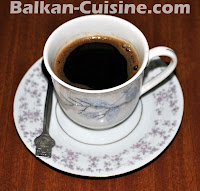
A Drop of Turkish Coffee

The legend of man’s beverages starts when man drank a marvellous sip of coffee for the first time. Coffee has changed everything! Now we would try to introduce some relevant facts about coffee including its origin, name, preparation and why it is so important and interesting in drinking Turkish coffee.
Overview of Turkish Coffee History
The origin of the coffee is very mysterious like the taste itself. It is believed that coffee has three hundred years old history. The first coffee beans were harvested in Ethiopia. The legend says that a young shepherd called Kaldi noticed how his goats stayed awake after eating coffee beans, and then he has tried those magical beans for himself. So, the new era has begun! In 1555 coffee beans were brought in Turkey by Syrian traders, and there coffee has marked the whole age of humankind, and everyone knows that Turkish coffee is the mother of all sorts of coffees.
Furthermore, the name “coffee” comes from the Arabic “gahwa”, which Turkey has borrowed and derivate to “kahve”. All other countries have taken the name from Turkey, and derivate to their own language, but the core of the word remain the same, so coffee is the word that everyone around the world will definitely understand. In some period of the history coffee has become a real treat to the Ottoman Empire because people drank coffee gathered together, and they discussed about everything including the political situation in the country. These political discussions have led the leaders of the empire to think that some day coffee drinkers will cause rise against the Empire. Therefore in 1656 a law was forced that shut down all coffee houses, and drinkers were declared as outlaws. Instead of reducing the coffee, this law has made it even more popular.
Turkish coffee was accidentally introduced to the rest of the world when the Turkish army was retreated from Vienna, fortuitously left begs with coffee beans. Quickly, Austrians grasped the coffee fortune and started to make their own kind of coffee served on a special way, with cake named “kipfel”, today’s known as croissant. “Kipfel” has symbolic meaning: its shape is exactly like the crescent moon from the Turkish flag, and it stands for celebration of the victory over the Turkish army.
How to prepare a perfect cup of Turkish coffee
In old times, in Turkey young women were learned to prepare an excellent coffee because their future depended of it. Their potential husbands judged if a woman was a perfect for marriage if she knew to make a good cup of Turkish coffee. Therefore preparation is very essential for making Turkish coffee. Today it is not like this at all, but the custom of future bride making coffee for her husband-to-be on their engagement still remains. |
In order to make a perfect cup of Turkish coffee, we should follow several steps. What we need is a coffee pot, grinded coffee beans, spoon and sugar according to the taste. First we measure the amount of water, then we place the pot with the water on a stove, and the heat is turned on medium. When the water starts to heat up, add one tablespoon of Turkish coffee and sugar, and remember do not stir it. Notice that one tablespoon of coffee is enough for one cup of coffee. The coffee should float on the surface. Next wait until the coffee starts to sing and mingle with the water, and then stir it, and turn down the heat to low. When a bubble ring starts forming on the surface move the pot away. Never let your coffee boil! The secret of Turkish coffee is to let it create thick foam. Then, pour the coffee in cups, and make sure that there is equal amount of foam in every cup. At the end, enjoy in your perfect cup of Turkish coffee!
Why is drinking Turkish coffee so extraordinary?
We could say that Turkish coffee has unique power that no other drink has. Here are some interesting facts:
1. It makes you stop and rest because it is never drunk in a hurry
2. Turkish coffee makes you more patient due to its preparation that takes a bit longer then the preparation of other drinks.
3. You become very calm while you are drinking it
4. Turkish coffee is good for encouraging conversation as it is usually shared with someone
5. Turkish coffee is good for you to have it after a meal due to the fact that it is very helpful in the digestion process
6. What is also very important is that Turkish coffee is not carcinogenic and it is very economical. According some studies, coffee reduce the risk of some common medical illnesses too
7. Furthermore, Turkish coffee has a tradition of fortune-telling by reading the figures left of the coffee grinds.
To conclude, coffee has made an enormous revolution in men’s culture. It has been proven that Turkish coffee has a tremendous history that makes this drink even more exotic and beautiful. In addition Turkish coffee’s idea is to bring people together, giving them time for relaxation and enjoyment.
A Drop of Turkish Coffee
Labels:
Turkish Cuisine
Sunday, August 8, 2010
Sarma
Ingredients:
Sarma is a traditional meal in the most of the Balkan countries especially for Christmas Eve. It is a heavy dish and usually eaten in the winter days. Here are the directions how to prepare this meal:
Rinse well the leaves, pour over with hot water and drain. Cut the onion into small pieces and fry it on oil. Add ground meat, red pepper, pepper, salt, spices and rice. Then use the mixture to stuff the pickled cabbage or grape-vine leaves. Line them up in a pot, but first line up pickled cabbage at the bottom of the pot.
Put the steamed meat in between the stuffed cabbage leaves. Then, spill over sarma some hot water and boil it on a silent fire and then put them in the oven to bake.
By the end of the baking you can add some oil and red pepper, which have been fried before. Cover the pieces with pickled cabbage leaves. The whole has to be dry, not very moist. You can serve sarma with sour cream or yogurt.

- cabbage or grape-vine leaves
- 1 coffee cup with rice
- 2 onion pieces
- 0,5kg. mixed ground meat
- 250g. steamed meat
- oil, pepper, salt and spices
Sarma is a traditional meal in the most of the Balkan countries especially for Christmas Eve. It is a heavy dish and usually eaten in the winter days. Here are the directions how to prepare this meal:Rinse well the leaves, pour over with hot water and drain. Cut the onion into small pieces and fry it on oil. Add ground meat, red pepper, pepper, salt, spices and rice. Then use the mixture to stuff the pickled cabbage or grape-vine leaves. Line them up in a pot, but first line up pickled cabbage at the bottom of the pot.
Put the steamed meat in between the stuffed cabbage leaves. Then, spill over sarma some hot water and boil it on a silent fire and then put them in the oven to bake.
By the end of the baking you can add some oil and red pepper, which have been fried before. Cover the pieces with pickled cabbage leaves. The whole has to be dry, not very moist. You can serve sarma with sour cream or yogurt.
Sarma
Sunday, May 9, 2010
Aubergine sauce
Ingredients:

- 2 ripe aubergines
- 1 onion
- 1/2dl. oil
- 1/2 lemon juice
- 1 teaspoon honey
- salt and pepper
Peel aubergines, cut into cubes, add salt, leave to stand for a while, then rinse and drain. Peel onion and chop finely. Heat 3 teaspoon of oil, add onion, cook it a little, then add aubergines, pour in some water and simmer covered until tender. Then pass through a sieve, add the rest of oil, lemon juice, honey, salt and pepper.
Mix all well with a mixer. Serce aubergine sauce very cold with roast or fried fish.
Aubergine sauce
Labels:
Sauces,
Turkish Cuisine
Sunday, February 28, 2010
Tulumbe
Ingredients:
For the dough:
Heat water and add oil. Bring to the boil, add vanilla and blend in flour, mixing all the time. Simmer until the mixture is smooth, slightly "sticking" to the bottom of the pan. Cool a little, then add eggs one by one. After adding each egg, work well and leave to stand for a while every time.
When ready, put the dough into the confectioner's pipe with a broader star-like nozzle. Heat oil. When hot enough, press out pieces of dough about 5-7cm long. Fry on all sides until nicely brown.
Cook sugar, water and lemon juice for 10-15 minutes and then cool. Pour cooled syrup over warm cakes. Serve cold.

For the dough:
- 1/2l. water
- 2dl. oil
- 1/2kg. flour
- 5-6 eggs
- 1/2 lemon
- 2 sachets vanilla sugar or 1 vanilla-bean
- oil for frying
- 800g. sugar
- juice of 1 lemon
Heat water and add oil. Bring to the boil, add vanilla and blend in flour, mixing all the time. Simmer until the mixture is smooth, slightly "sticking" to the bottom of the pan. Cool a little, then add eggs one by one. After adding each egg, work well and leave to stand for a while every time.When ready, put the dough into the confectioner's pipe with a broader star-like nozzle. Heat oil. When hot enough, press out pieces of dough about 5-7cm long. Fry on all sides until nicely brown.
Cook sugar, water and lemon juice for 10-15 minutes and then cool. Pour cooled syrup over warm cakes. Serve cold.
Photo: Wikipedia
Tulumbe
Sunday, December 27, 2009
Turkish Baklava
Ingredients:
Grease tepsiya with butter, place in two dough layers and sprinkle each with melted butter. Sprinkle every second layer of dough with mixed walnuts and almonds. Repeat until all has been used, then cut into equal squares. Each square can be cut diagonally to get triangles.
Pour some melted butter over each piece obtained by cutting. Preheat the oven to 200°C and bake for about 40-50 minutes. Towards the end reduce heat to 150°C.
In the meantime prepare syrup:
Pour water over sugar and add vanilla. Cook until syrup is so thick that it drips from the mixing spoon like honey.
Cook baked "Baklava" a little, pour warm syrup over and leave to stand until all the syrup is absorbed.
Photos:


- 20-30 thin layers of dough for the pie
- 300g. butter for sprinkling dough layers and greasing
- 300g. ground walnuts and 300g. ground almonds for filling
- 600g. sugar, 2-3dl. water and 1 vanilla-bean for the syrup
Grease tepsiya with butter, place in two dough layers and sprinkle each with melted butter. Sprinkle every second layer of dough with mixed walnuts and almonds. Repeat until all has been used, then cut into equal squares. Each square can be cut diagonally to get triangles.Pour some melted butter over each piece obtained by cutting. Preheat the oven to 200°C and bake for about 40-50 minutes. Towards the end reduce heat to 150°C.
In the meantime prepare syrup:
Pour water over sugar and add vanilla. Cook until syrup is so thick that it drips from the mixing spoon like honey.
Cook baked "Baklava" a little, pour warm syrup over and leave to stand until all the syrup is absorbed.
Photos:


Turkish Baklava
Labels:
Sweets,
Turkish Cuisine
Thursday, October 8, 2009
Thick soup with squash
Ingredients:

- 700g. pared squash
- 60g. butter or margarine
- 15g. flour
- 1-1.5l. milk
- 50g. young kaymak or 1/2dl. sour cream
- 1/2 teaspoon red paprika pepper
- salt
Cut pared squash into small cubes, cook in mildly salted water. Heat about 40g. butter or margarine, add flour, fry it a little, slowly pouring in warm milk, cook, add kaymak or sour cream, simmer about 10 minutes, add cooked squash, then cook together for a short while (5 minutes).
Before serving, pour over the soupp heated butter (about 20g.) with some red paprika pepper added to it.
Thick soup with squash
Labels:
Soups,
Turkish Cuisine
Sunday, August 16, 2009
Fish in olive oil
Ingredients:

- 1 gray mullet of about 1kg.
- 2 bigger onions
- 2 paprikas
- 2 cloves of garlic
- 500g. tomatoes
- 1 bunch of parsley
- 1dl. olive oil
- 3 tbsp. tomato puree's
- 10-12 black olives
- 2-3dl. warm water
- salt
Clean fish, wash well and wipe. Peel onion and cut into thin slices of rounds. Core paprika and cut into strips, chop finely or crush garlic, wash tomatoes, peel and cut into rounds and then chop parsley finely.
Heat oil, add fish, fry a little on all sides, then take out. Cook onion slowly in the same oil until soft and slightly brown, add paprika, cook on until tender. Then add garlic. Arrange tomato over cooked onion and paprika. Mix tomato puree's with 2dl. water pour in it, add salt and pepper. Simmer together for more 10 minutes.
Put fried fish into the sauce. Barely cover with warm water. Simmer for another 10-15 minutes. Halve olives, remove stones. Put fish on a deeper, long plate, pour the sauce over, sprinkle with olives. Serve cold.
Heat oil, add fish, fry a little on all sides, then take out. Cook onion slowly in the same oil until soft and slightly brown, add paprika, cook on until tender. Then add garlic. Arrange tomato over cooked onion and paprika. Mix tomato puree's with 2dl. water pour in it, add salt and pepper. Simmer together for more 10 minutes.
Put fried fish into the sauce. Barely cover with warm water. Simmer for another 10-15 minutes. Halve olives, remove stones. Put fish on a deeper, long plate, pour the sauce over, sprinkle with olives. Serve cold.
Fish in olive oil
Labels:
Fish,
Turkish Cuisine
Tuesday, June 30, 2009
Turkish bean salad
Ingredients:

- 250g. beans
- 1,5dl. water
- 1 smaller onion
- 60g. olive
- 3 tbsp. lemon juice
- 4 tomatoes
- 50g. olives
- 2 hard boiled eggs
- salt and pepper
Pick over beans, wash, pour over cold water and leave to swell overnight, then cook in the same water and add peeled onion. When tender, drain and put into a deeper bowl. Remove onion.
For the marinade: mix well oil, lemon juice, salt and pepper. Pour over still warm beans, leave to cool about 30-40 minutes. Wash tomatoes peel remove stalk ends, cut into slices, remove slides. Halve olives. Shell eggs and also slice. Add tomatoes, olives and egg slices to the beans, mix carefully and leave to stand for at least 40-60 minutes. Turkish bean salad is ready for serving. Serve as an accompaniment to baked meat dishes or grills.
Caned beans can also be used for this salad, which should only be rinsed and drained. In that case the bean salad can be prepared quickly.
Related recipes:
For the marinade: mix well oil, lemon juice, salt and pepper. Pour over still warm beans, leave to cool about 30-40 minutes. Wash tomatoes peel remove stalk ends, cut into slices, remove slides. Halve olives. Shell eggs and also slice. Add tomatoes, olives and egg slices to the beans, mix carefully and leave to stand for at least 40-60 minutes. Turkish bean salad is ready for serving. Serve as an accompaniment to baked meat dishes or grills.
Caned beans can also be used for this salad, which should only be rinsed and drained. In that case the bean salad can be prepared quickly.
Related recipes:
Turkish bean salad
Labels:
Salads,
Turkish Cuisine
Friday, June 12, 2009
Turkish Gozleme
Ingredients:
Meanwhile, heat oil in frying pan; cook onions and garlic until softened but not browned. Allow to cool. Combine onion mixture and remaining filling ingredients in a bowl; season and mix to combine. Preheat flat grill plate on high. Roll dough to a 3mm thickness; place one quarter of the filling over one half of the dough. Fold over dough and press lightly to seal. Repeat with remaining dough and filling.
Brush oil over grill plate well. Place one gozleme onto flat plate. Cook for 3-4 minutes, drizzle top with more oil then turn over. Tip: If dough is browning too quickly reduce heat to medium. Cook until golden brown and crisp. Repeat with remaining gozleme. Cut into pieces and serve with wedges of lemons.

- 480g. plain flour
- 2 teaspoons salt
- 1/3 cup olive oil/milk
- 360ml. lukewarm water
- extra olive oil for cooking
- 1 tablespoon olive oil
- 1 large onion, chopped finely
- 2 cloves garlic, crushed
- pinch cayenne pepper
- ¼ teaspoon sweet paprika
- 2 bunches English spinach, shredded
- 200g. feta cheese, crumbled
- 50g. tasty cheese, grated
Meanwhile, heat oil in frying pan; cook onions and garlic until softened but not browned. Allow to cool. Combine onion mixture and remaining filling ingredients in a bowl; season and mix to combine. Preheat flat grill plate on high. Roll dough to a 3mm thickness; place one quarter of the filling over one half of the dough. Fold over dough and press lightly to seal. Repeat with remaining dough and filling.
Brush oil over grill plate well. Place one gozleme onto flat plate. Cook for 3-4 minutes, drizzle top with more oil then turn over. Tip: If dough is browning too quickly reduce heat to medium. Cook until golden brown and crisp. Repeat with remaining gozleme. Cut into pieces and serve with wedges of lemons.
Source: Sunbeam.com.au
Turkish Gozleme
Labels:
Main Dishes,
Turkish Cuisine
Tuesday, May 26, 2009
Yaniya with okras
Ingredients:

- 750g. lamb from leg
- 1,5dl. oil
- 2 onions
- 3 cloves of garlic
- ground red paprika or some crushed small hot pepper
- 250g. fresh tomatoes or 2tbsp. tomato puree
- 500g. fresh okras
- 1 tablespoon vinegar
- salt
- 1 lemon
- 20g. flour
- 1-2dl. warm water
- 1/2 bunch of parsley
- 3/4l. thick yoghurt
Wash meat, wipe and cut into bigger cubs. Heat oil, and meat, fry it on all sides until nicely brown, then add chopped onion. Cook slowly until slightly soft, add chopped or crushed garlic, fry shortly, add ground or crushed paprika, washed tomatoes peeled and cut into smaller pieces. Simmer all for a while. Trim okras (make a gash in the upper part of pod) wash and cook to which some salt and vinegar have been added, than drain. Add okras prepared this way to meat, which is already half cooked. Add more warm water as needed. While simmering only shake the pan well. Brown flour without fat, pour in cold water, then some warm water, boil shortly and add to "yaniya". Shake pan and add more water as needed. Simmer about 10-15 minutes. With yaniya serve thick yoghurt.
Yaniya with okras
Labels:
Main Dishes,
Turkish Cuisine
Friday, May 8, 2009
Fish Pilaki
Ingredients:
Clean fish and slice. Rub with salt and pepper and arrange in an oiled pan. Cut the onions in half lengthwise and then into half moon shaped slices. Cube potatoes, carrots and celeriac and sauté in oil with bayleaf for several minutes, add minced garlic and chopped parsley. Add tomato paste, salt and pepper. Pour this mixture over the fish, add the juice of 1-2 lemons and bake at low heat until fish is tender. Alternatively, the lemons may be sliced and arranged over the top; in another variation, sour green grapes may be added to the sauce.

- 1kg. fish of desired variety
- 2 potatoes
- 1 carrot
- 2 onion
- 1 leek
- 1/2 c olive oil
- 1 bunch parsley
- 1 s tomato paste
- bay leave
- 2 lemon
- salt and pepper
Clean fish and slice. Rub with salt and pepper and arrange in an oiled pan. Cut the onions in half lengthwise and then into half moon shaped slices. Cube potatoes, carrots and celeriac and sauté in oil with bayleaf for several minutes, add minced garlic and chopped parsley. Add tomato paste, salt and pepper. Pour this mixture over the fish, add the juice of 1-2 lemons and bake at low heat until fish is tender. Alternatively, the lemons may be sliced and arranged over the top; in another variation, sour green grapes may be added to the sauce.Fish Pilaki
Labels:
Fish,
Turkish Cuisine
Sunday, April 19, 2009
Sardines in vine leaves - Asma yapraginda sardalya
Ingredients:
First remove the backbones of the fish leaving the heads and tails then scrape off scales and wash fish gently. Mix marinade ingredients in a bowl.
Pat dry the fish then place in a large bowl and pour over marinade and mix through.
Cut the stems off the fresh vine leaves and soak in hot water for 20 minutes then plunge into cold water. Next put shiny sides of vine leaves on a clean surface.
Place one sardine on the stem of each leaf and roll up, ending with stem side up (the heads and tails of the sardines should not be rolled in the leaves).
Brush the leaves with olive oil, then grill stuffed leaves on both sides over medium heat…the barbecue is perfect for this. Open vine leaves and sprinkle fish with lemon juice when eating.

- 50 sardines
- 50 fresh vine leaves
- salt
- juice of 2 lemons
- 1 tsp white pepper crushed
- 1 cup Jingilli Frantoio Extra Virgin Olive Oil
First remove the backbones of the fish leaving the heads and tails then scrape off scales and wash fish gently. Mix marinade ingredients in a bowl.
Pat dry the fish then place in a large bowl and pour over marinade and mix through.
Cut the stems off the fresh vine leaves and soak in hot water for 20 minutes then plunge into cold water. Next put shiny sides of vine leaves on a clean surface.
Place one sardine on the stem of each leaf and roll up, ending with stem side up (the heads and tails of the sardines should not be rolled in the leaves).
Brush the leaves with olive oil, then grill stuffed leaves on both sides over medium heat…the barbecue is perfect for this. Open vine leaves and sprinkle fish with lemon juice when eating.
Serve with crisp lettuce salad leaves tossed with diced tomato, cucumber, red onion, parsley and a light olive oil, salt and lemon juice dressing.
Source: Fish.wa.gov.au
Sardines in vine leaves - Asma yapraginda sardalya
Labels:
Fish,
Turkish Cuisine
Sunday, April 12, 2009
Turkish salad
Ingredients:

- 200g. fresh white cabbage
- 200g. carrots
- 200g. white turnips
- 1l. water
- salt
- 12 stuffed green olives
- 1 bunch of parsley
- 1 bunch of dill
- 1 bigger orange
- 1 lemon
- 1 smaller onion
- 1 clove of garlic
- 60g. olive oil
- 2tbsp. lemo juice
- 1tbsp. sugar
- white pepper
- 100g. riper goat cheese
Prepare the marinade in the following way: crush garlic well, add salt, some sugar, oil, lemon juice and pepper. Pour the marinade over the veggie's, mix well and put on a bigger plate or into a bowl. Peel orange and lemon (remove white underskin), cut into thinner rounds of onion over them. Leave to stand in the refrigerator at least 30 minutes. Before serving Turkish salad sprinkle with crumbled goat cheese. Serve with grilled dishes or with rusks as light supper.
Turkish salad
Labels:
Salads,
Turkish Cuisine
Tuesday, March 31, 2009
Osmanli kebabs
Ingredients:

- 600g. fatter mutton
- juice of 1 lemon
- 2 onions
- 200g. rice
- salt and pepper
- 1 teaspoon saffron
Our daily receipt will be famous turkish kebabs, in a one of the many variations known as Osmanli kebabs. Here are the directions:
Wash meat, wipe, cut into bigger cubes, put into a deeper pan, pour lemon juice over, sprinkle with chopped onion. Leave to stand in a cool place for at least 1 hour. In the meantime pick over rice, wash and dry. Heat oil, add rice and cook slowly until glassy, pour in warm water in which saffon has been dissolved, add salt and pepper. Simmer until tender. Thread meat on to skewers without onion. Grill on medium heated gridiron. Turn while grilling and brush with oil, as needed. Put rice on a serving plate and arrange kebabs over it. Serve with some fresh vegetables (spring onions, tomatoes, paprikas or lettuce, with tomatosalad and the like).
Osmanli kebabs
Labels:
Main Dishes,
Turkish Cuisine
Wednesday, March 18, 2009
Tirit pie
Ingredients:

- 750g. flour
- 2-2.5dl. lukewarm water
- 1 egg
- salt and pepper
- 1 chicken or smaller hen
- root vegetables (carrot, parsley root, some celery, parsnip)
- 2 tablespoons oil for greasing and sprinkling
- 1/2l. sour cream or thick yoghurt
- 2 cloves of garlic
Sift flour, make a well in the center, add some salt, the egg and the lukewarm water as needed. Knead into a smooth dough for the pie, divide it into 8-10 small balls, cover and leave to stand. Roll out the dough into rounds, not too thin. Bake them on top the stove or in a dry baking pan in the well heated oven, until brown and brittle. Cook the chicken in slightly salted water with roots. When cooked, take the chicken out, strain soup into a bigger pan. Remove bones, chop meat, add salt and pepper. Pour the pie over with heated oil and bake in the oven preheated to 200°C about 40 minutes or until nicely brown. In the meantime crush garlic and mix with beaten sour cream and pour over the tepid (not hot) pie, cover with a clean cloth or another tepsiya and leave to stand for a while.
Related articles:
Related articles:
Tirit pie
Labels:
Appetizers,
Turkish Cuisine
Thursday, March 12, 2009
Izmir-style Kofte
Ingredients:

- 500g. ground meat
- 1 onion, finely chopped
- 1 egg
- ¾ bread crumbs
- Salt and pepper to taste
- 2 potatoes, peeled and sliced and placed in salted water
- 2 large tomatoes, grated or 1 tomato paste
- 4-5 “sivri” peppers or 1-2 bell peppers cut into strips, or 3 anaheim peppers cut in half
Combine meat, onion, egg, bread crumbs, salt and pepper, knead well and shape into finger-length meatballs.
Saute potatoes lightly in a bit of oil and spread around the outer edge of a baking pan, preferably round. Fry the meatballs in the same oil and arrange in a sunburst shape in the pan. The sauté the peppers in the same oil and arrange over the meatballs.
Add a bit of water to the grated tomatoes, or mix tomato paste with 1 c water, and pour evenly over the meatballs in the pan. Bake at medium heat for ½ hour until the sauce has thickened.
Source
Saute potatoes lightly in a bit of oil and spread around the outer edge of a baking pan, preferably round. Fry the meatballs in the same oil and arrange in a sunburst shape in the pan. The sauté the peppers in the same oil and arrange over the meatballs.
Add a bit of water to the grated tomatoes, or mix tomato paste with 1 c water, and pour evenly over the meatballs in the pan. Bake at medium heat for ½ hour until the sauce has thickened.
Source
Izmir-style Kofte
Labels:
Main Dishes,
Turkish Cuisine
Subscribe to:
Comments (Atom)